
When Should You Start Tutoring and Academic Coaching for Boarding School Applications?

TALK TO OUR EDUCATIONAL CONSULTANT TODAY! Call Us Toll Free: (888) 521-5243

Cardinal Education is an independent educational consulting company. We are not affiliated, associated, authorized, endorsed by, or in any way officially connected with any public or private school.

If you’re thinking about boarding school for your child, you’re probably asking these questions: “We should probably look into tutoring… but is it too early?” Or the opposite: “Are we already late?”

Between admissions deadlines, SSAT or ISEE testing, essays, interviews, and regular schoolwork, timing feels confusing. Many parents assume tutoring is something you add only if grades slip or panic sets in. In reality, the most effective tutoring and academic coaching for boarding school applicants starts long before stress shows up.

This guide walks you through when families should realistically start tutoring and academic coaching, why starting earlier often works better, and how to decide on a timing that makes sense for your child and your goals.

Quick Answer for Busy Parents

Based on our two decades of admissions experience, most families benefit from starting tutoring or academic coaching 12 to 24 months before boarding school applications are due. That timeline allows students to strengthen skills, build consistency, and develop independence without pressure. Starting earlier does not mean tutoring nonstop. It means thoughtful, low-stress support that grows with your child and aligns with admissions expectations at competitive boarding schools, like Phillips Exeter, Deerfield, or Choate. 

When to Start Tutoring for Boarding School Admissions

The honest answer is that there is no single perfect time to start. What matters more is readiness. Some students need an academic structure early. Others need help building confidence, organization, or follow-through. Boarding schools are not just evaluating transcripts. They are evaluating how a student handles a challenge. So the moment you decide to enroll your child in a boarding school, consider hiring a tutor to help you get on track. This could be in 4th grade, 6th grade, or 7th grade. 

Is Middle School Too Early to Start Tutoring for Boarding School?

Many families feel that starting tutoring in middle school is way too early. But in fact, this is often the ideal time to start tutoring and academic coaching. Middle school tutoring is not about getting ahead and plowing through advanced material. It is about learning how to learn. It is focused on building strong study habits, time management, and comfort asking for help as they matter more than acceleration.

We notice that students who start early tend to develop steadier academic confidence. They are less stressed when tests, interviews, and writing samples appear. Tutoring sessions feel normal and become part of their daily routine. Parents also gain clarity about their child’s strengths and gaps before they become stress points during the application process. 

Starting Tutoring in 7th vs 8th Grade for Boarding Schools

Families who wait until 8th grade often feel rushed. Suddenly, there are entrance exams, essays, and admissions interviews stacked on top of schoolwork. Starting in the 7th grade allows skills to develop quietly in the background. Reading comprehension improves gradually. Writing becomes more structured. Math problems are solved without panic.

Students who begin in 7th grade usually enter 8th grade calmer and more self-directed. Tutoring becomes refinement, not rescue. That difference shows up clearly during admissions season.

How Boarding Schools View Academic Growth Over Time

Admissions teams love progress. They notice when students show upward momentum rather than last-minute spikes. A student who steadily improves over two years signals maturity and readiness for boarding life.

Tutoring started earlier supports that story naturally. Grades stabilize. Teachers write stronger recommendations. Students speak confidently about their learning during interviews because they actually understand it.

Top Benefits of Starting Tutoring Early

  • • Builds strong academic habits before pressure starts
  • • Reduces stress during the application year
  • • Creates visible academic growth that admissions teams value

Best Practices in Tutoring

  • • Start with diagnostic assessments, not assumptions.
  • • Focus on skills and habits, not just content.
  • • Keep sessions consistent but manageable.

Common Questions Parents Ask About Tutoring

Q: Is tutoring only for students who are struggling?
A: No. Many top boarding school applicants use tutoring to sharpen already strong skills.

Q: Will early tutoring make my child burn out?
A: Not if it is balanced and focused on learning habits rather than volume.

Q: Do boarding schools expect tutoring?
A: They expect readiness, independence, and growth. Tutoring can support all three.

Related Articles

What Boarding Schools Look For in Today’s Applicants
How to Create a Winning Private School Application Portfolio
How to Ace Boarding School Admissions: Tips to Stand Out and Get Accepted

When Academic Coaching Matters More Than Subject Tutoring

It is very common to consider tutoring once you notice your child’s grades slipping a bit. Or homework is taking forever. Or a teacher mentions that your child is capable but disorganized. You search for a math tutor, writing tutor, or a science tutor. That makes sense. But for many boarding school applicants, tutoring is not actually the solution.

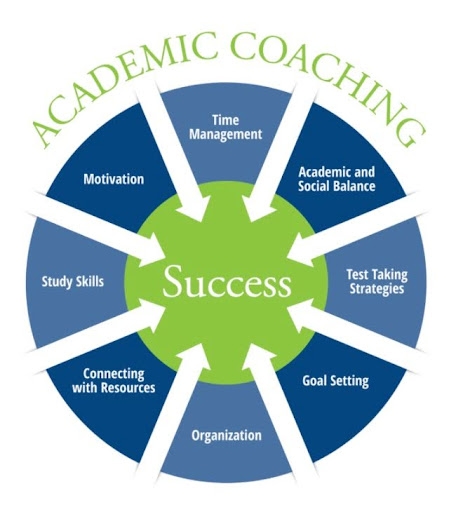
What’s often missing is academic coaching. But what is it exactly? Academic coaching focuses less on what your child is learning and more on how they’re handling school overall. Are they planning ahead or constantly reacting? Do they know how to manage a heavy workload without melting down? Can they handle pressure without you stepping in every night? Boarding schools care deeply about these questions because students live on campus. There are no parents to check in on them over hover over whether homework gets done, and no last-minute rescue before a deadline. Academic coaching helps students build independence slowly and realistically, so they handle boarding school life with a breeze. 

Academic Coaching vs Tutoring for Boarding School Applicants

Tutoring and academic coaching serve very different purposes, especially for boarding school applicants. Tutoring focuses on specific subjects like math, science, or writing and reading. It helps students understand content, fill knowledge gaps, and feel more confident in a particular class. Academic coaching, on the other hand, looks at the bigger picture. It helps students develop executive function skills. They learn how to plan their week, prioritize assignments, manage long-term projects, and regulate stress when demands pile up. 

For many families, academic coaching is the missing piece because it addresses the habits behind the grades. Coached students learn how to break large assignments into manageable steps, prepare for tests without cramming, and speak up when they need help. In a boarding school setting, where independence is expected, these skills often matter just as much as academic ability itself.

Why Executive Function Skills Matter in Boarding School Admissions

Can your child manage time without constant reminders? Do they recover when a test does not go well, or do they shut down? Can they keep track of assignments, materials, and deadlines on their own? These executive function skills matter more than many families realize. 

Boarding schools are looking for students who can function independently in a demanding environment where teachers and dorm parents support students, but do not micromanage them. Admissions officers often pick up on executive function skills during interviews, classroom visits, and teacher recommendations. They notice whether a student can explain their thinking, reflect on challenges, and take responsibility for their work. Academic coaching helps develop these skills gradually. As students grow more independent, parents naturally step back, and that transition signals real readiness for boarding school life.

Helping Students Transition to Boarding School Expectations

The first year of boarding school can feel like a lot, even for capable, motivated students. Suddenly, days are packed. Classes move faster than they’re used to. Evenings are structured. On top of schoolwork, there are sports practices, dorm responsibilities, clubs, and a whole new social environment to navigate. For students who have had a lot of support at home, that shift can be surprising, and sometimes overwhelming.

This is where academic coaching before enrollment can really help. Coaching gives students a chance to practice managing their time, planning out busy weeks, and figuring out what to do when everything feels important at once. They learn how to speak up when they need help and how to bounce back from small mistakes without panicking. Students who have this support early often arrive on campus feeling prepared rather than thrown into the deep end. They adjust more quickly, build confidence sooner, and are better set up to succeed both in and out of the classroom from the very beginning.

Top Benefits of Academic Coaching

  • • Builds independence admissions teams value
  • • Improves consistency across subjects
  • • Prepares students for boarding school structure

Best Practices in Academic Coaching

  • • Combine coaching with light subject support.
  • • Emphasize reflection and accountability.
  • • Adjust support as students mature.

Common Questions Parents Ask About Academic Coaching

Q: Does my child need academic coaching if grades are strong?
A: Yes, especially if organization or stress is an issue.

Q: Is academic coaching visible to admissions committees?
A: Its impact shows up in behavior, interviews, and recommendations.

Q: Can academic coaching replace tutoring?
A: They work best together, serving different purposes.

Related Articles

Private School Admissions: Understanding What Schools Look for in Applicants
The Role of Admissions Consulting in Personalized Learning | Cardinal Education
How Boarding Schools Are Adapting to Gen Z and Gen Alpha Learners in 2025

Timing Tutoring Around Boarding School Entrance Exams

Entrance exams are often what push families to start thinking seriously about tutoring. It is common to see parents searching for when to start  SSAT, ISEE, or HSPT  prep, especially once application timelines come into focus. What many families do not realize at first is that timing usually matters far more than intensity. Starting too late often leads to crammed schedules, heightened stress, and students who feel like everything is riding on a single test date. Starting thoughtfully gives families breathing room. Skills are built gradually, test formats become familiar, and confidence grows naturally over time. Instead of racing against the calendar, students have space to practice, reflect, and improve. That calmer approach not only leads to stronger performance but also makes the entire boarding school admissions process feel more manageable for both students and parents.

When to Start Test Prep for Boarding School Admissions

Most students benefit from starting test prep about 9 to 12 months before their planned testing date. That timeline gives students the space to learn strategies, build familiarity with the exam format, and practice without feeling rushed. Early preparation also allows time to identify weaker areas and address them gradually, rather than cramming right before the test. When families wait too long, test prep often becomes intense and stressful, with students feeling pressure to perform perfectly on a single sitting. That kind of rush can lead to uneven results and unnecessary anxiety. Starting earlier creates flexibility. Students can test, reflect, and retest if needed, all while gaining confidence along the way. By the time exam day arrives, the test feels familiar rather than intimidating, which often makes a meaningful difference in performance.

Balancing Academics and Test Prep without Overload

The most effective test prep plans do not exist in isolation from a student’s regular schoolwork. Instead, they are thoughtfully integrated so that skills reinforce each other rather than compete for time and energy. Strong reading strategies developed for test prep improve comprehension in history and science classes. Writing practice strengthens organization and clarity across assignments. Math problem-solving techniques carry over into daily coursework. When prep is aligned this way, students are not doing extra work, they are doing smarter work. This approach also helps prevent burnout. Instead of feeling pulled in multiple directions, students see how everything connects. Parents often notice that homework becomes more efficient and confidence grows as students realize they can apply the same strategies in different settings. Balanced preparation supports steady progress without overwhelming already busy schedules.

How Early Prep Helps With Retakes and Flexibility

Starting test preparation early gives families something incredibly valuable: options. When students begin prep well in advance, there is room to take an exam, review results thoughtfully, and decide whether a retake makes sense without panic or pressure. Families are not forced into last-minute decisions or rushed timelines. Students benefit too. Knowing they are not on a single-shot timeline lowers anxiety and helps them approach testing with a clearer head. Early prep also allows time to address specific weaknesses that show up after a first attempt, rather than guessing in advance. By the time admissions season arrives, testing is often already complete or well underway. That sense of preparedness makes the entire process feel calmer and more manageable for both students and parents.

Top Benefits of Test Prep

  • • Reduces test anxiety
  • • Allows flexibility for retakes
  • • Strengthens academic skills overall

Best Practices in Test Preparation

  • • Start with baseline diagnostics
  • • Spread prep over months, not weeks
  • • Align prep with school curriculum

Common Questions Parents Ask About Test Prep

Q: Is intensive prep better than long-term prep?
A: Long-term prep almost always produces steadier results.

Q: Should we prep before choosing schools?
A: Yes. Scores help guide school lists.

Q: Can tutoring hurt test authenticity?
A: No. Strategy and familiarity are expected.

Related Articles

15 FAQs About the HSPT: Most Common Questions Answered
What Are The Best Study Strategies For The SSAT And ISEE?
SSAT or ISEE? Which Test Should Your Child Take?

Why Families Choose Cardinal Education

Many families eventually realize that tutoring alone is not enough. Boarding school admissions are layered. Academics, testing, interviews, and school fit all matter. This is where working with a firm that understands the full picture makes a difference.

Cardinal Education Tutoring and Academic Coaching Approach

Cardinal Education combines tutoring with academic coaching and admissions strategy. Students are not just prepared academically. They are guided intentionally.

Support evolves over time. Early years focus on skills and habits. Application years focus on positioning and readiness. Families appreciate having one coordinated plan instead of juggling vendors.

Boarding School Admissions Consulting With Real Results

Cardinal Education has guided students to top U.S. boarding schools including Phillips Exeter Academy, Phillips Academy Andover, Choate Rosemary Hall, The Hotchkiss School, and Deerfield Academy.

Families value the firm’s strategic planning, honest feedback, and high success rates across competitive admissions cycles.

Integrated Tutoring, Test Prep, and Admissions Strategy

What sets Cardinal apart is integration. Tutors, coaches, and consultants work together. Test prep aligns with academic goals. Coaching supports interviews. Academics support recommendations.

Families are not guessing. They are guided.

    DISCLAIMER

    Cardinal Education is an independent educational consulting company. We are not affiliated with or endorsed by any private school, including those mentioned on this website. All school names and trademarks are the property of their respective owners and are used here for descriptive purposes only.

    COPYRIGHT © | ALL RIGHTS RESERVED | CARDINAL EDUCATION